 0
0
 0
0
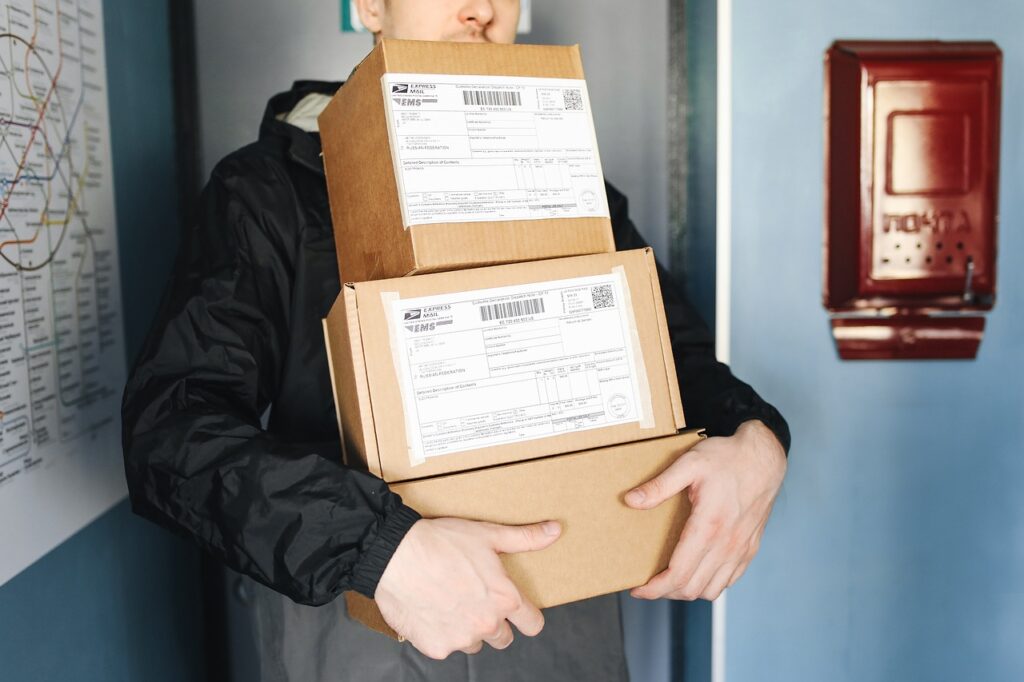
BRUSSELS — Millions of products ordered online and imported into the European Union will soon be subject to a new €2 processing fee under plans aimed at tackling the growing flood of low-cost goods entering the bloc from countries such as China and the United States.
According to a European Commission document, the new charge will take effect on 1 November and will apply to goods imported from non-EU countries. Responsibility for paying the fee will fall on online marketplaces rather than consumers, with national authorities tasked with collecting the levy.
The measure is expected to affect major e-commerce platforms including Shein, Temu and AliExpress, which have become increasingly popular among European shoppers.
Targeting the Surge in Cheap Imports
EU officials say the fee is intended to help address the enormous increase in small parcels arriving from overseas online retailers.
Customs authorities across the bloc processed around six billion packages from online sellers in 2025, according to figures provided by EU member states. About 90 percent of those shipments originated in China.
The new charge is designed to help cover the rising administrative costs associated with inspecting and processing growing numbers of low-value shipments. Customs authorities face increasing pressure to screen imports for compliance with EU safety, consumer protection and product standards.
Part of Wider Customs Reform
The processing fee forms part of a broader overhaul of the EU customs system. The reform package aims to simplify global trade procedures, improve customs duty collection and strengthen controls on non-compliant, dangerous or unsafe products entering the European market.
A key element of the reform is the creation of a new EU Customs Authority, which is scheduled to begin operations in Lille, France, next year.
Additional Customs Charges Already in Place
The announcement follows the introduction in July of separate customs duties on low-value goods imported from outside the EU. Under those rules, a flat-rate customs charge of €3 per product category in a shipment is applied.
Although sellers and importers are formally responsible for those customs costs, some online retailers have passed the charges on to consumers, increasing the final price paid by shoppers.
EU-wide data on the impact of the new customs regime is not yet available. However, France’s Economy Ministry has reported that imports of small parcels fell by as much as 40 percent during the first weeks after the new customs charges were introduced.
Digital System Planned by 2028
The current customs levy is intended as a temporary measure until a new digital platform for processing and monitoring imports becomes operational in 2028. Once the system is in place, all goods imported into the EU are expected to become subject to customs procedures from the first euro of value.
The EU hopes the combination of new fees, tougher inspections and digital customs controls will reduce the influx of ultra-cheap imports while ensuring a more level playing field for European businesses and stronger protections for consumers.
- source: oe24.at/picture: pixabay.com